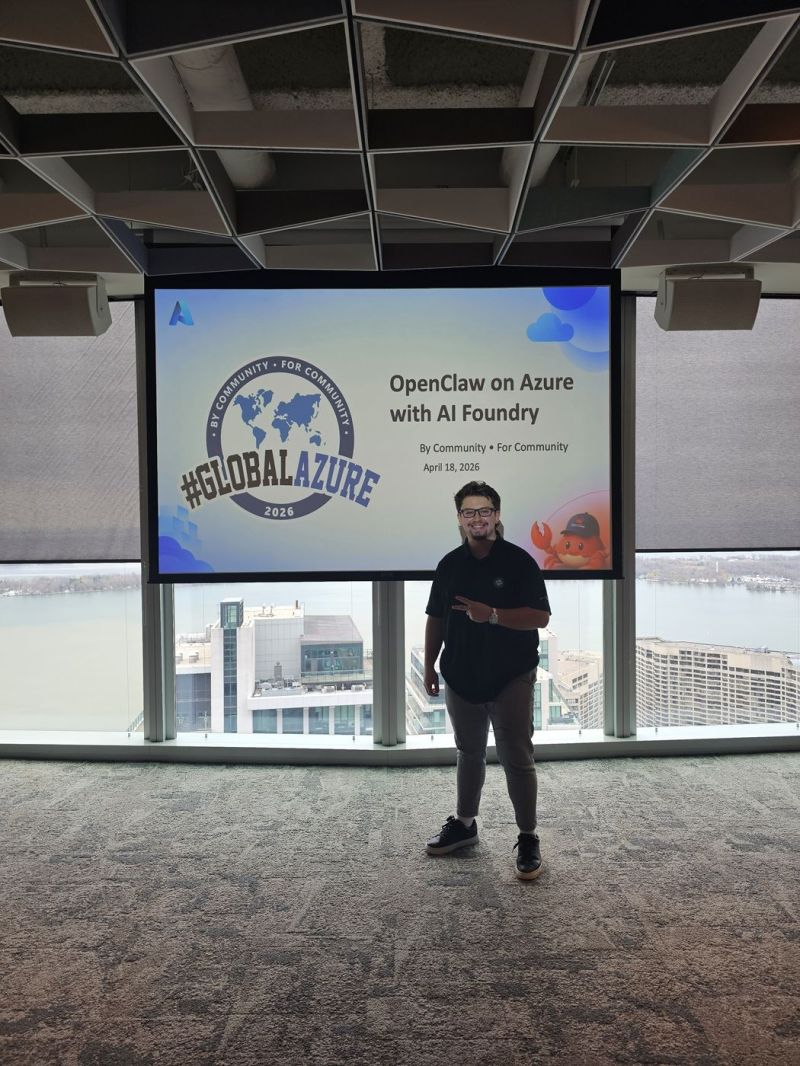
Global Azure Bootcamp 2026 in Toronto
Metro Toronto Azure Community · April 18, 2026 · Microsoft Canadian Headquarters, Toronto
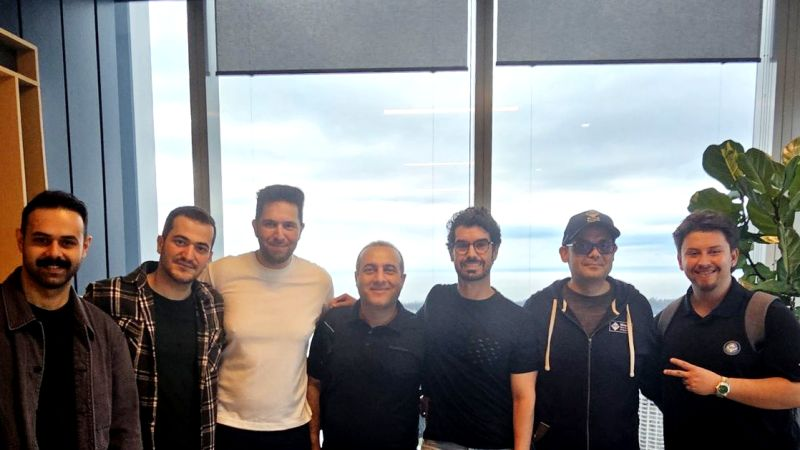
As part of the organizing team, I had the privilege of helping bring Global Azure Bootcamp 2026 to life at Microsoft Canadian Headquarters. The day combined technical discussions, practical Azure and AI insights, and the community conversations that make these events memorable.
A huge thank you to Ehsan Eskandari, Microsoft MVP and organizer of the Metro Toronto Azure Community, for bringing everyone together. Thank you to Microsoft for hosting us and supporting the Azure community, and to Centrilogic for its continued sponsorship and partnership.
Reliability and the journey from an idea to a working agent
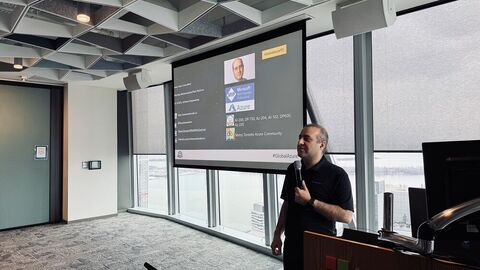
Ehsan Eskandari explored Azure SRE Agent and the evolution of reliability engineering. For readers new to the topic, site reliability engineering focuses on keeping services dependable and making operational work more repeatable. Azure SRE Agent can assist with incident investigation, log and metric analysis, and authorized remediation, as described in the Microsoft Learn FAQ.
My takeaway is that an operational assistant needs evidence as well as an answer. For example, when a reporting service becomes unavailable, I would want to see the affected resource, the relevant errors and the proposed next step before approving a change. This is an illustrative learning example, rather than a description of the session demo.
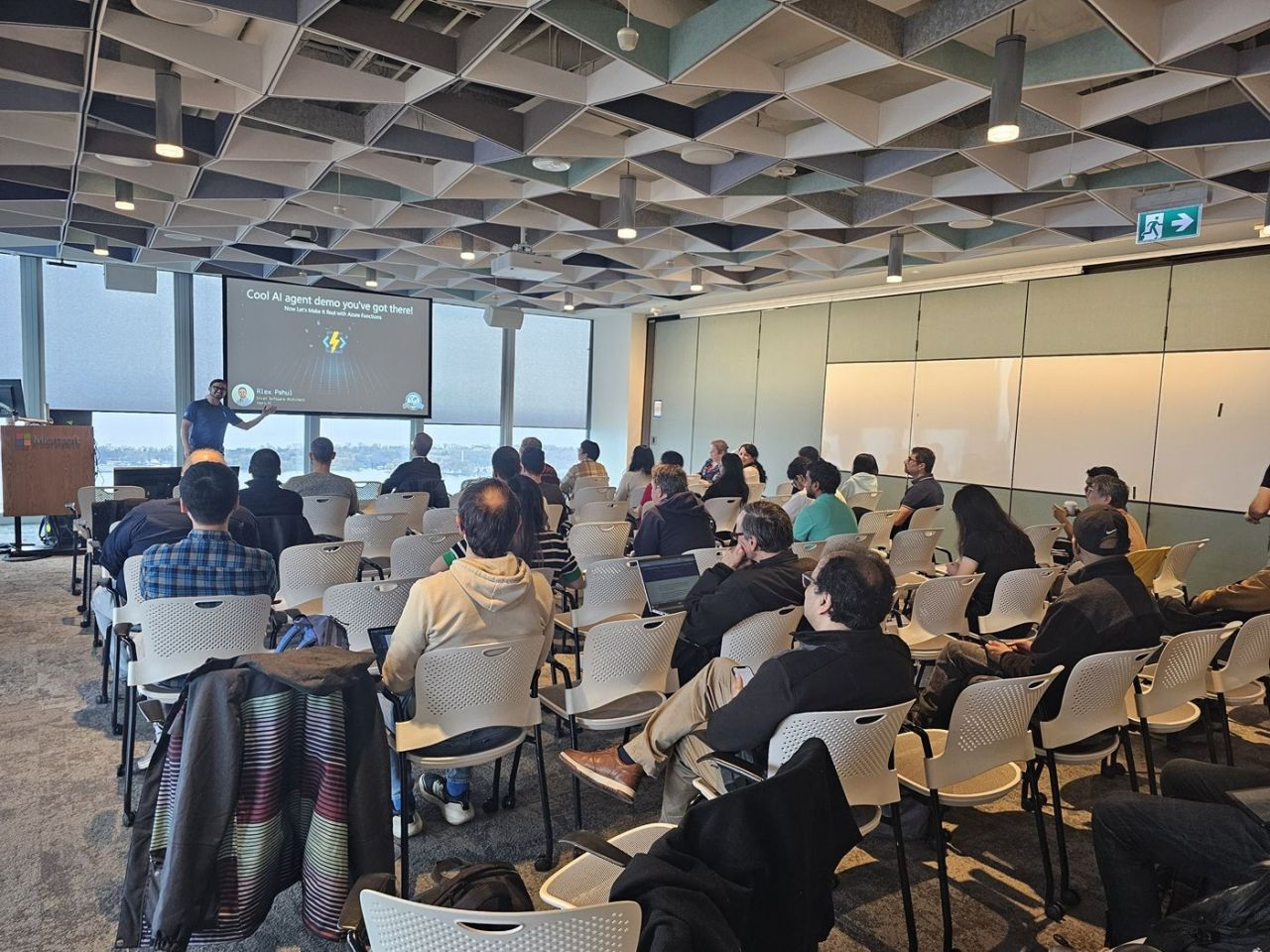
Kaan Turgut explored deploying AI assistants on Azure using OpenClaw and Microsoft AI Foundry. Alex Pshul complemented that theme with a session on turning agent ideas into real-world solutions using Azure Functions. Together, these topics encouraged me to think about what surrounds an agent: how a request arrives, which tools it can use, how failures are handled and how the result reaches the user.
Connecting agents with business knowledge
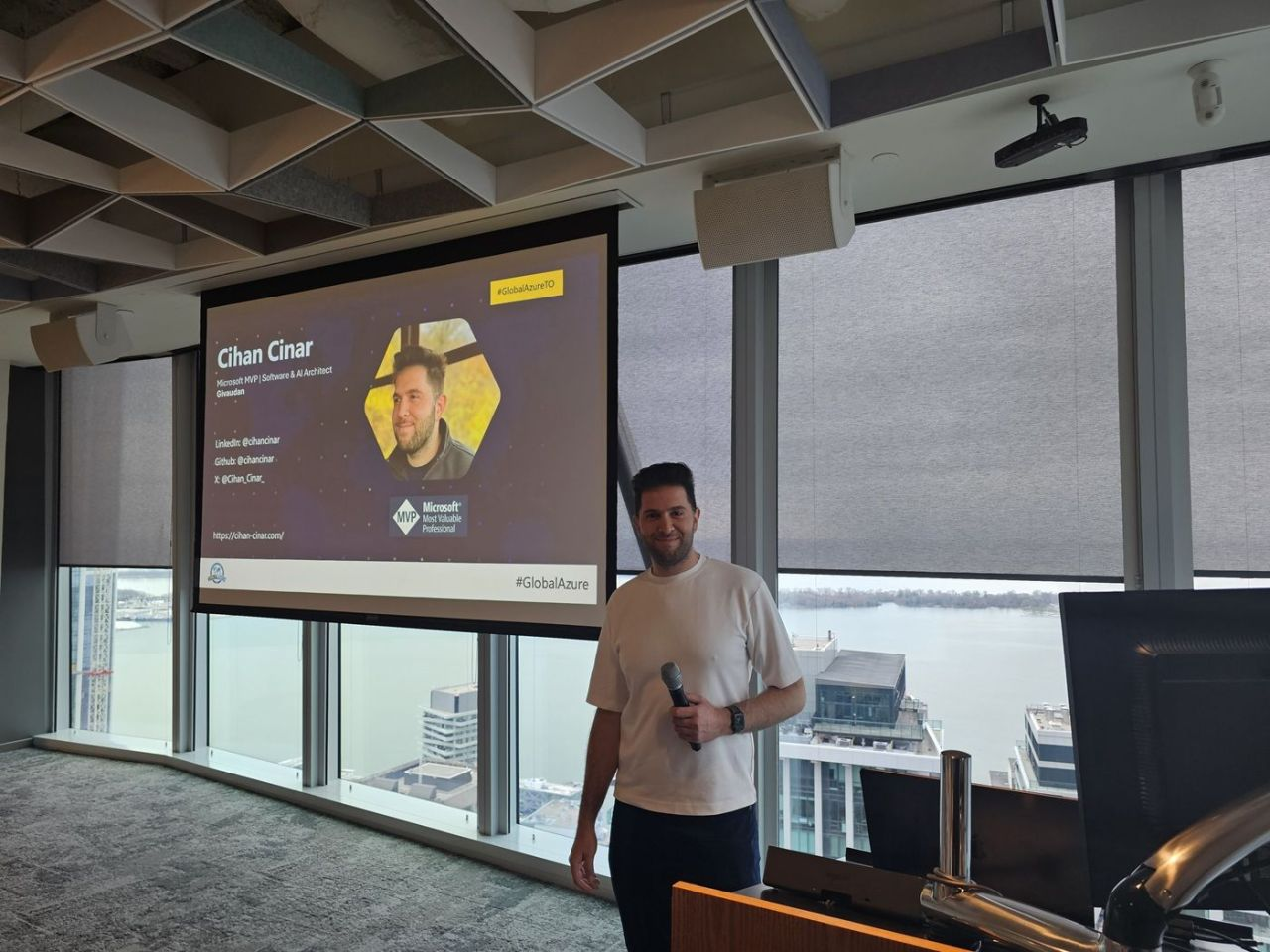
Cihan Cinar shared insights on building multi-source knowledge base agents with Microsoft AI. Ashraf Ghonaim, Microsoft Fabric MVP and organizer of the Toronto Fabric & Power BI User Group, presented the transition from relational databases to graph-based knowledge systems with Fabric IQ.
For me, the connection between these topics is the importance of relationships and context. A customer record, an order and a support case can each provide useful information, but understanding how they relate can make a business question easier to answer. My practical starting point would be a small, well-understood dataset and a few questions with answers that can be checked against the source.
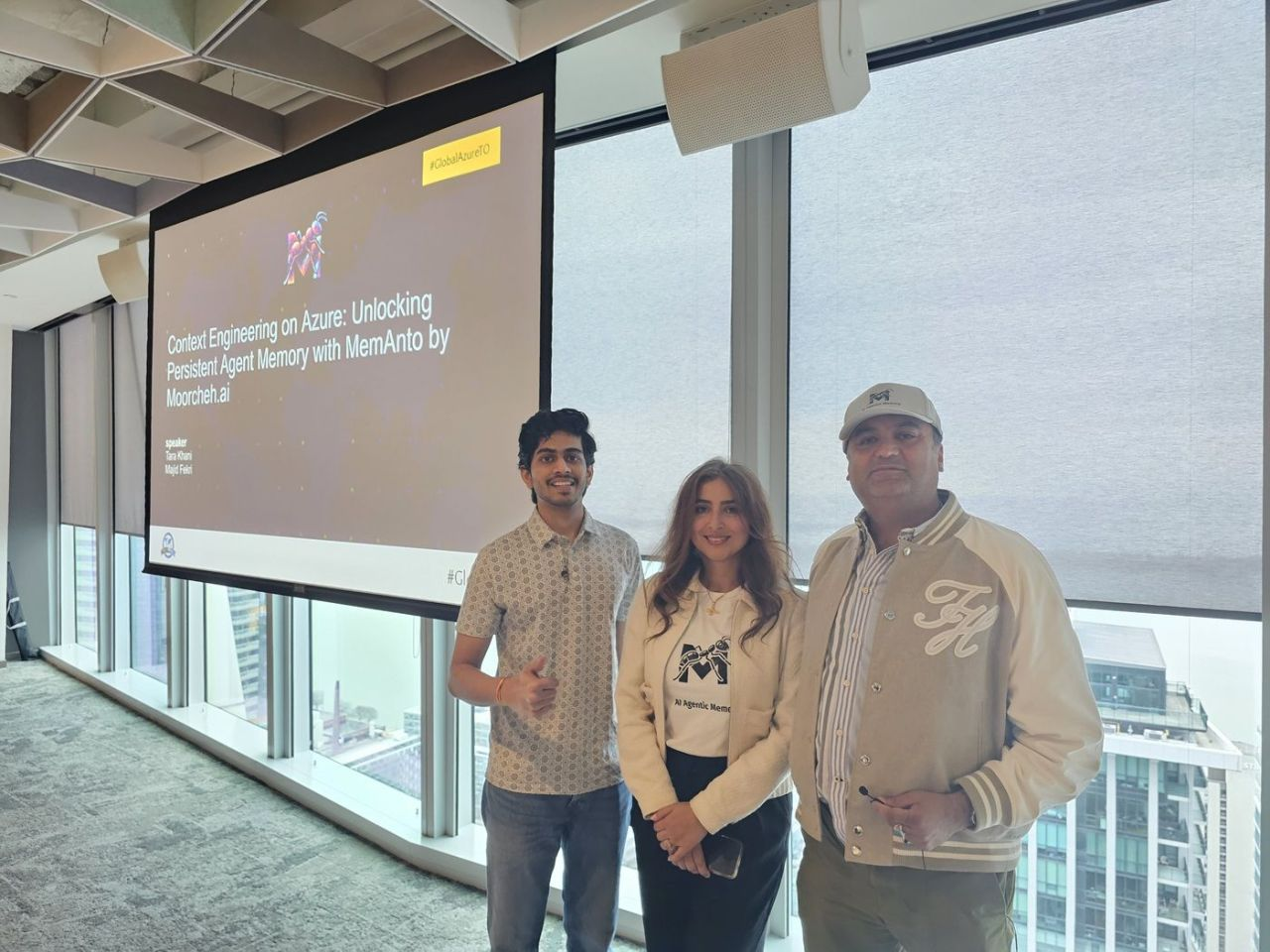
Tara Khani and Majid Fekri introduced context engineering and persistent agent memory with MemAnto. The topic raises useful design questions: what information should an assistant retain between interactions, when should it retrieve that information, and how should outdated context be corrected? These are questions I want to explore further as I learn to build more useful AI workflows.
DevOps for agents and analytics
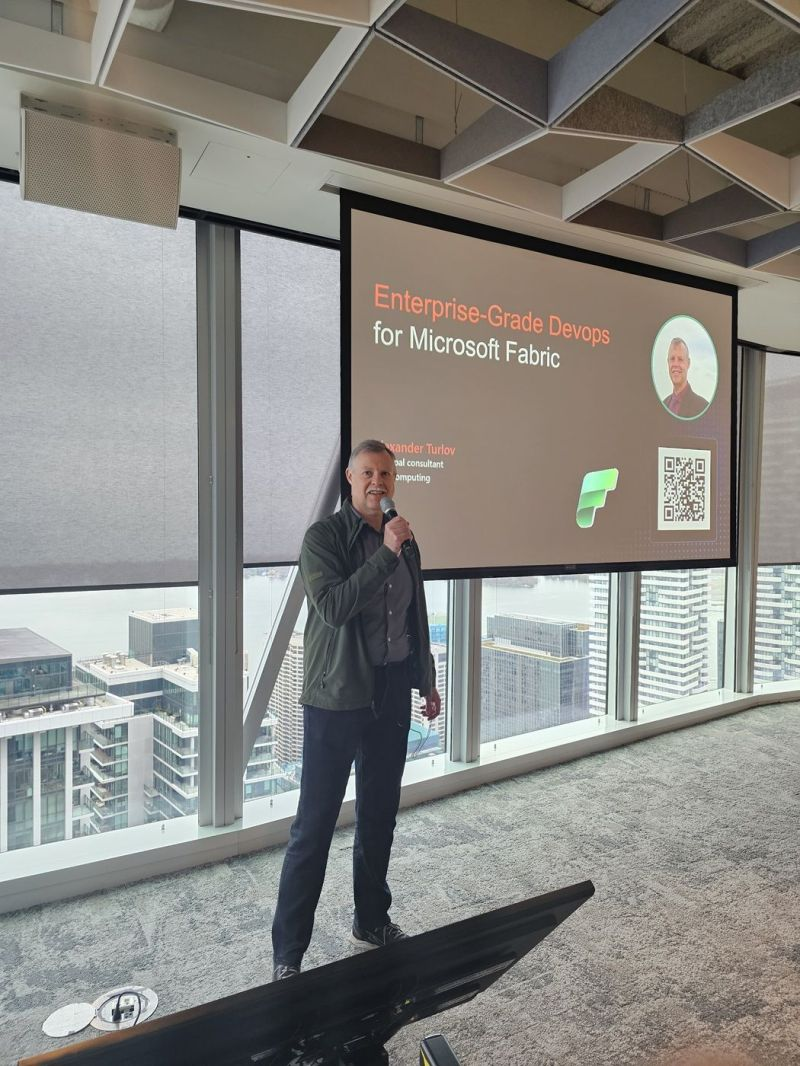
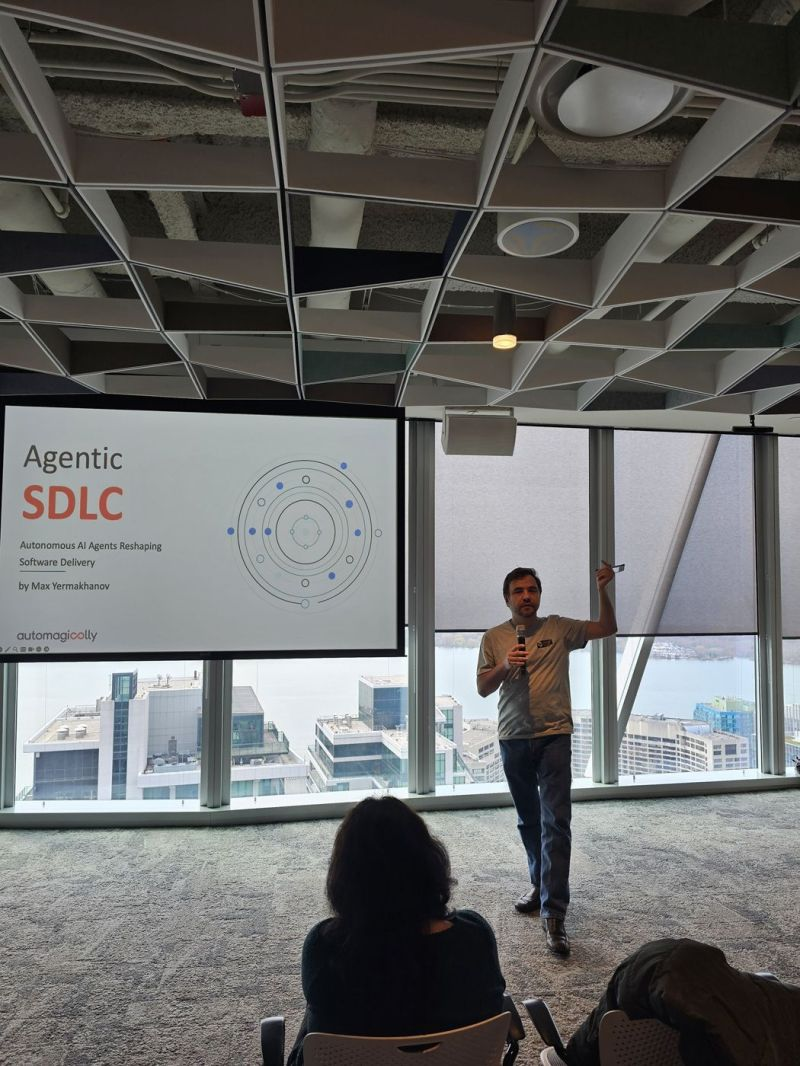
Max Yermakhanov discussed Agentic SDLC and DevOps in the age of AI. Alexander Turlov shared practices for enterprise-grade DevOps in Microsoft Fabric.
The common lesson I took from these sessions is to treat changes as something that can be reviewed and tested. In an analytics project, a changed transformation can affect a semantic model and the reports that depend on it. Fabric deployment pipelines support developing and testing content before it reaches users, providing a practical way to manage that lifecycle. The Microsoft Learn overview is a useful starting point for exploring the process.
Governing the tools that agents use
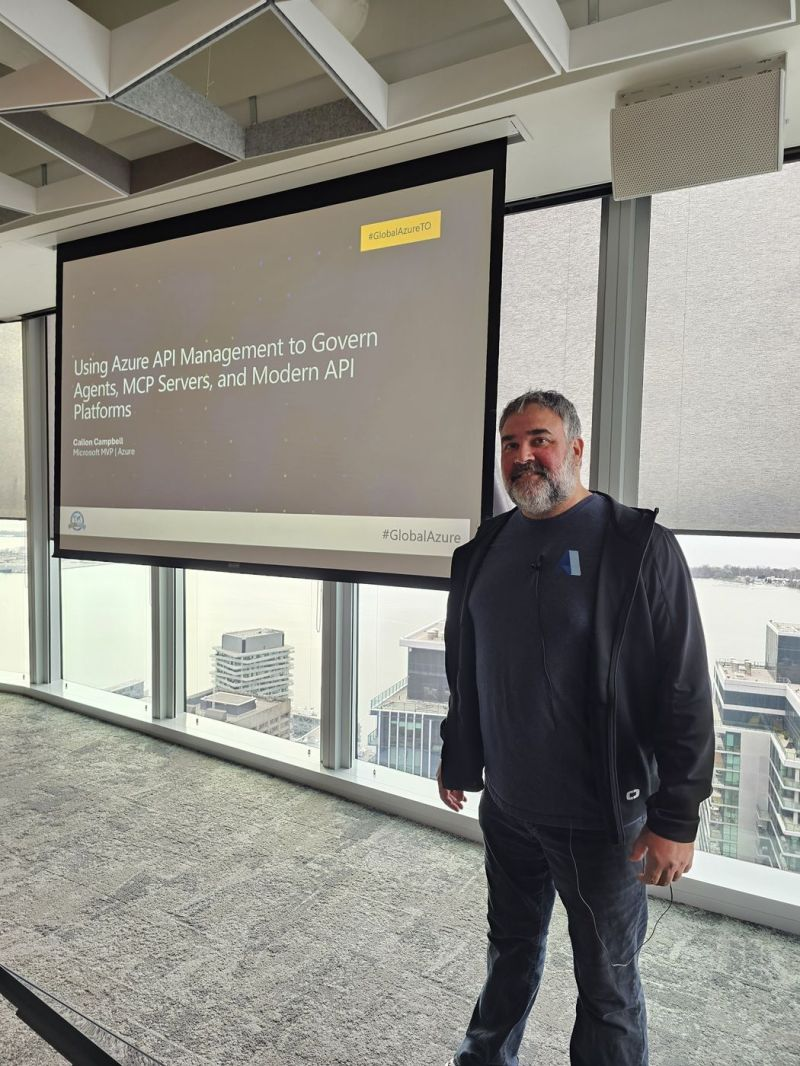
Callon Campbell presented Azure API Management for governing agents, MCP servers and modern API platforms. This connects agent development with a familiar engineering concern: controlling how applications access services.
Microsoft describes API Management’s AI gateway capabilities as tools for securing, monitoring, scaling and governing AI backends. My takeaway is to make access boundaries explicit. An assistant that reads a business record and one that changes it need different permissions, and both need a way to trace what happened.
The community behind the day
My heartfelt thanks to Alex Drenea, Luca Gobbi, Saeed Hosseinzadeh, Arash Danesh, Bahareh Sheikhi, Mandana Goudarzian and Shiva Koochakpour for their dedication and teamwork behind the scenes.
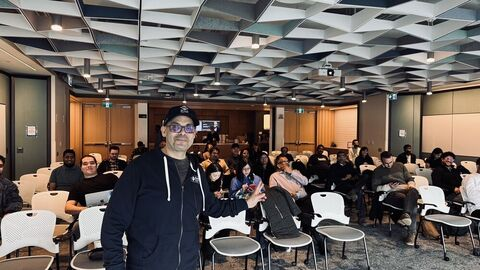
I’m grateful to the speakers, sponsors, volunteers and everyone who joined us. The technical sessions offered plenty to explore, while the conversations reminded me how much we learn by sharing ideas and helping one another. Proud to be part of this journey, and looking forward to what comes next.
Read my original event post on LinkedIn ↗
Photos from the day