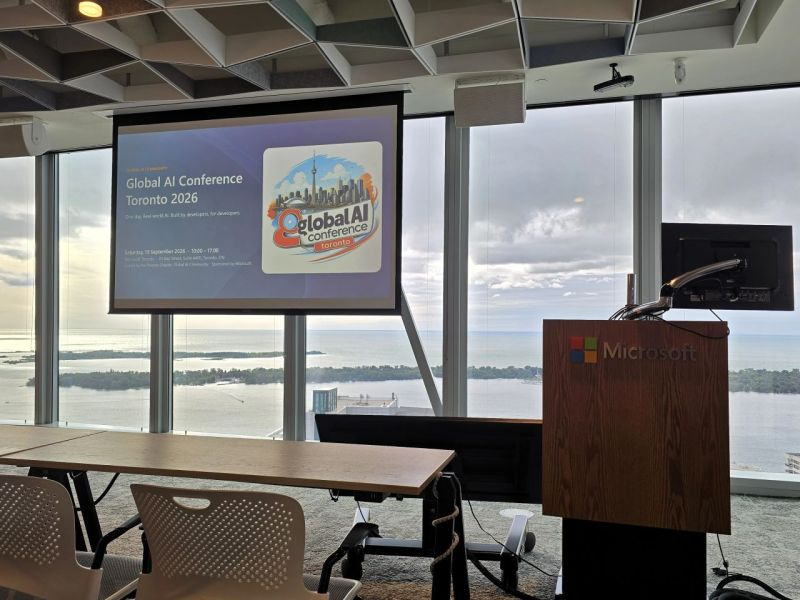
Global AI Conference 2026 – Greater Toronto Area
Global AI Community · Toronto Chapter · September 19, 2026 · Microsoft Canada HQ, Toronto
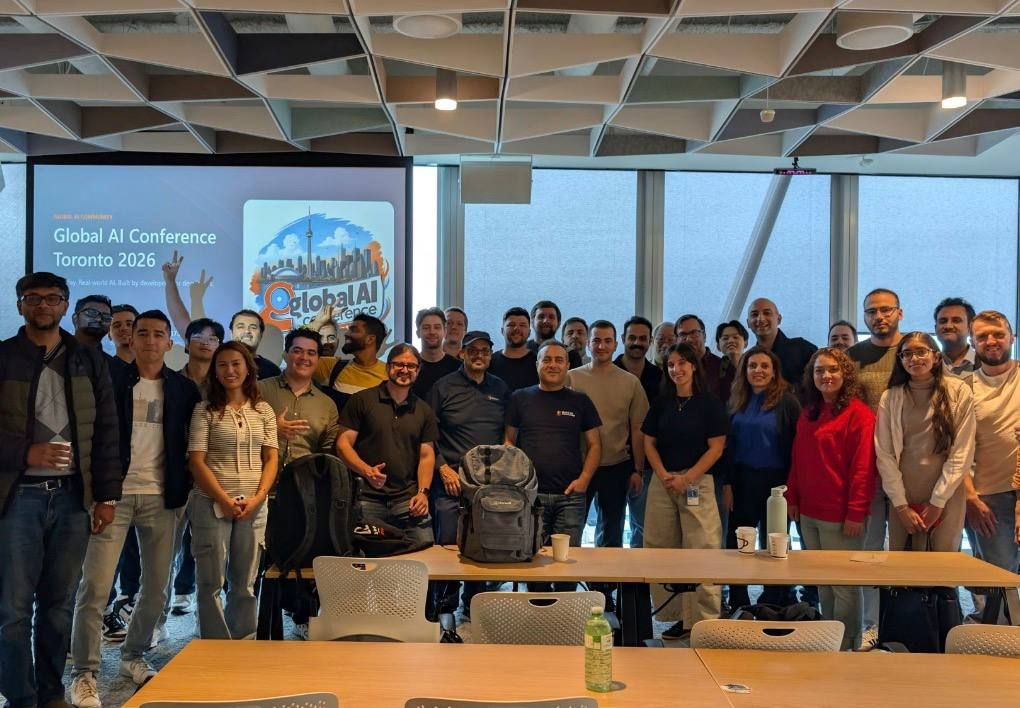
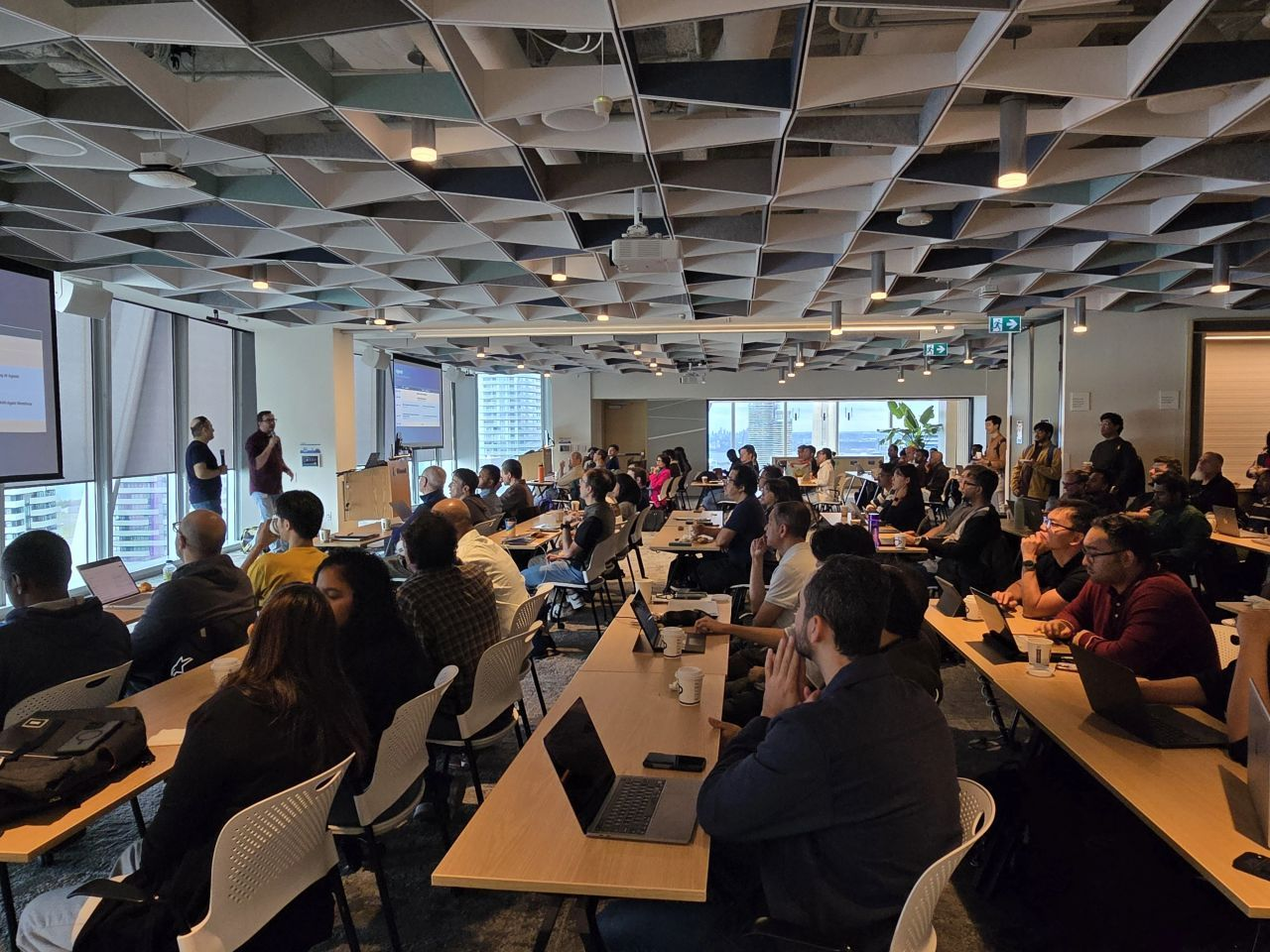
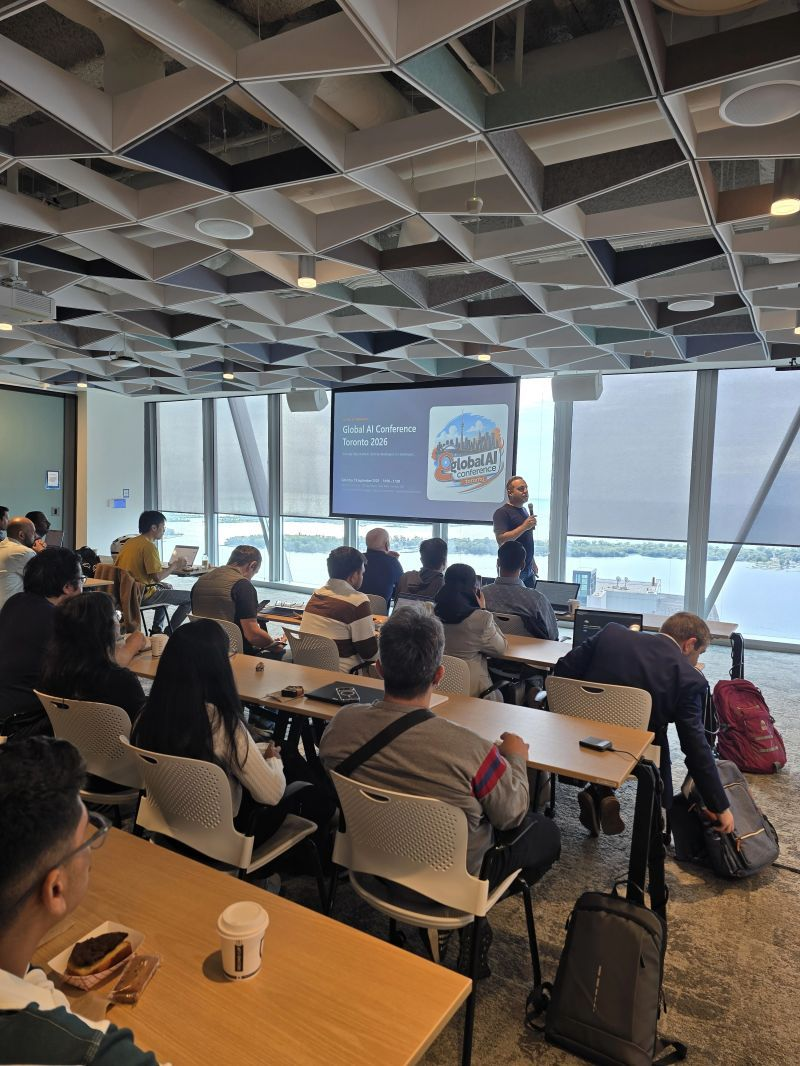
A full day of AI learning, practical workshops and community connections at Microsoft Canada HQ brought together 250 people, according to the organizer’s recap. Across two tracks, Global AI Conference 2026 combined technical talks, live demonstrations and opportunities to build working solutions. The theme that connects the sessions for me is how to move from an impressive AI demonstration to a system that can be tested, understood and operated reliably.
Thank you to the Toronto Chapter of the Global AI Community, Ehsan Eskandari, Microsoft, Henk Boelman and Alixia Blanc for bringing the community together. Ehsan is a Microsoft MVP and the organizer of the Metro Toronto Azure Community events as well.
Giving AI agents a development lifecycle
Rey Riel presented “Why your AI Agents need an Agent Development Lifecycle.” Samantha St-Louis addressed a related operational challenge in “Your Agent Is Getting Weird: Testing, Observability & Lifecycle Patterns for Production AI Agents.”
These topics raise an important question for anyone building an agent: how will we know that a change made the system better? My practical takeaway is to define success before testing. For a reporting assistant, a useful test might require the correct total, the correct reporting period and an explanation of the filters used. A response that sounds confident can still fail that test.
Observability means being able to inspect what happened during a run: which tools were called, what information was retrieved and where an error occurred. Combined with repeatable evaluation cases, that evidence helps distinguish a data problem from a model, prompt or workflow problem. These are my reflections on the session themes, rather than a transcript of the presentations.
Coordinating multiple agents and enforcing boundaries
Henk Boelman spoke about “Your New Teammates: Architecting a Multi-Agent Workforce,” while Chang Liu led “From Intent to Enforcement: Hill-Climbing AI Agents.”
A helpful example is a workflow that separates research, drafting and review. Each role needs a defined input and output, and the system needs a clear rule for handing work to the next role. Adding another agent is useful only when the responsibility is clear enough to evaluate. Otherwise, it can add cost and more opportunities for misunderstandings.
The distinction between intent and enforcement is especially useful. Asking an agent to respect a rule describes the desired behavior; checking permissions, validating tool arguments and requiring approval for sensitive actions makes the boundary executable. For my own learning, I would begin with one small workflow and explicitly test what happens when a required input is missing or a tool call fails.
Choosing and improving models with Microsoft Foundry
Nitya Narasimhan led the workshop “From Model Selection to Agent Optimization with Microsoft Foundry.” The topic connects model choice to the quality of the complete application.
My starting point would be a small set of realistic tasks with known expectations. Compare the quality of the result, the time taken and the resources consumed. Then change one part of the design and repeat the evaluation. A model that performs well on a short summarization task might not be the best choice for a longer workflow that depends on several tools. The useful question is whether the whole system completes the intended task consistently.
Cost visibility and dependable code generation
Max Yermakhanov presented “AI FinOps: The Next Frontier of DevOps Optimization.” Steve Bilogan discussed “Enforced by Hope: The Hard Parts of Building a Codegen Agent.” Together, these subjects highlight why operational evidence matters alongside capability.
For example, I would measure the cost of a successfully completed task, including retries and unsuccessful attempts, rather than only the cost of one model response. With a code-generating agent, I would also check the produced artifact: does it build, do the relevant checks pass, and does it behave as requested? A completion message is useful feedback, but it should be backed by a verifiable result.
The people who made the day possible
Thank you to the MVPs supporting the workshops: Roy Kim, Alex Pshul, Ashraf Ghonaim, Kaan Turgut and Cihan Cinar. Ashraf is a Microsoft Fabric MVP and organizer of the Toronto Fabric & Power BI User Group. Having experienced community members available to help is an important part of turning a workshop exercise into a working solution.
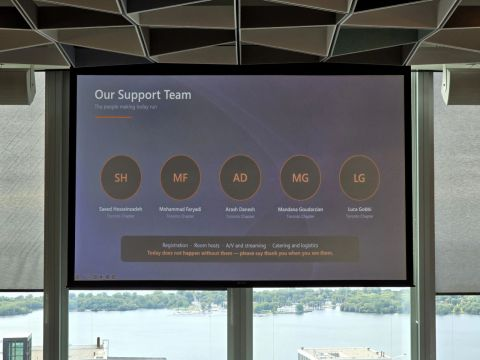
A special thank you to Arash Danesh, Luca Gobbi, Saeed Hosseinzadeh, Mandana Goudarzian and Bahareh Sheikhi for the work behind the scenes, from registration and room coordination to A/V and logistics.
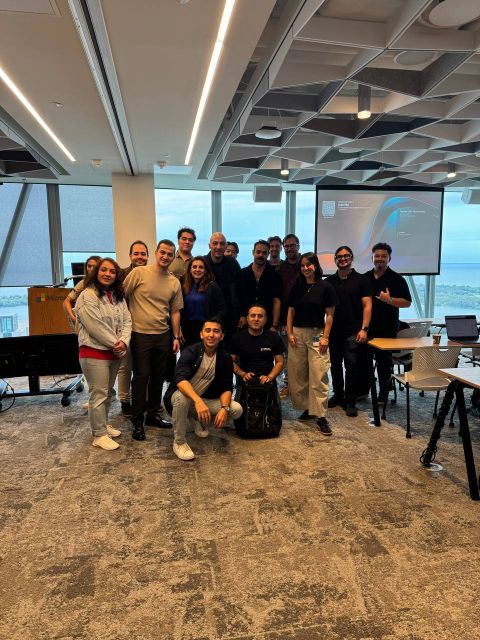
I’m grateful to the speakers, volunteers, Microsoft team and everyone who contributed to the day. Events like this bring technical learning together with the conversations and relationships that help a community grow.
Read my original event post on LinkedIn ↗
View the official event and schedule ↗
Photos from the day