Architecture Automation, RAG and Multi-Agent AI
Metro Toronto Azure Community · June 5, 2025 · Microsoft Canada Office, Toronto
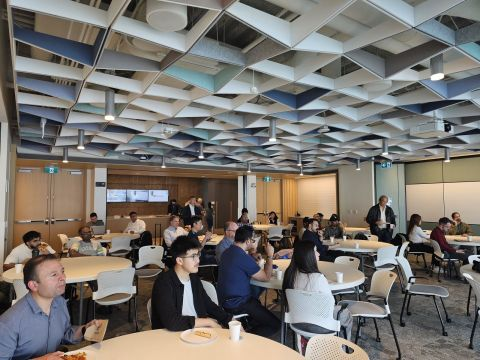
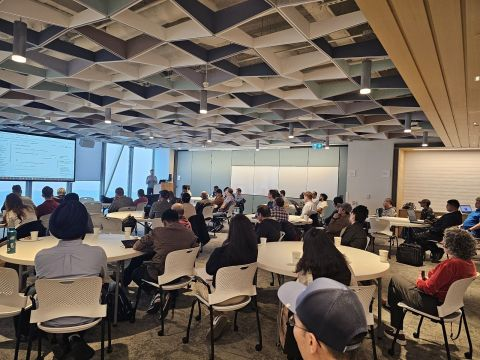
This community evening explored how automation and AI can support architecture, knowledge retrieval and data conversations. Three sessions connected design work with practical ways to build assistants around enterprise information.
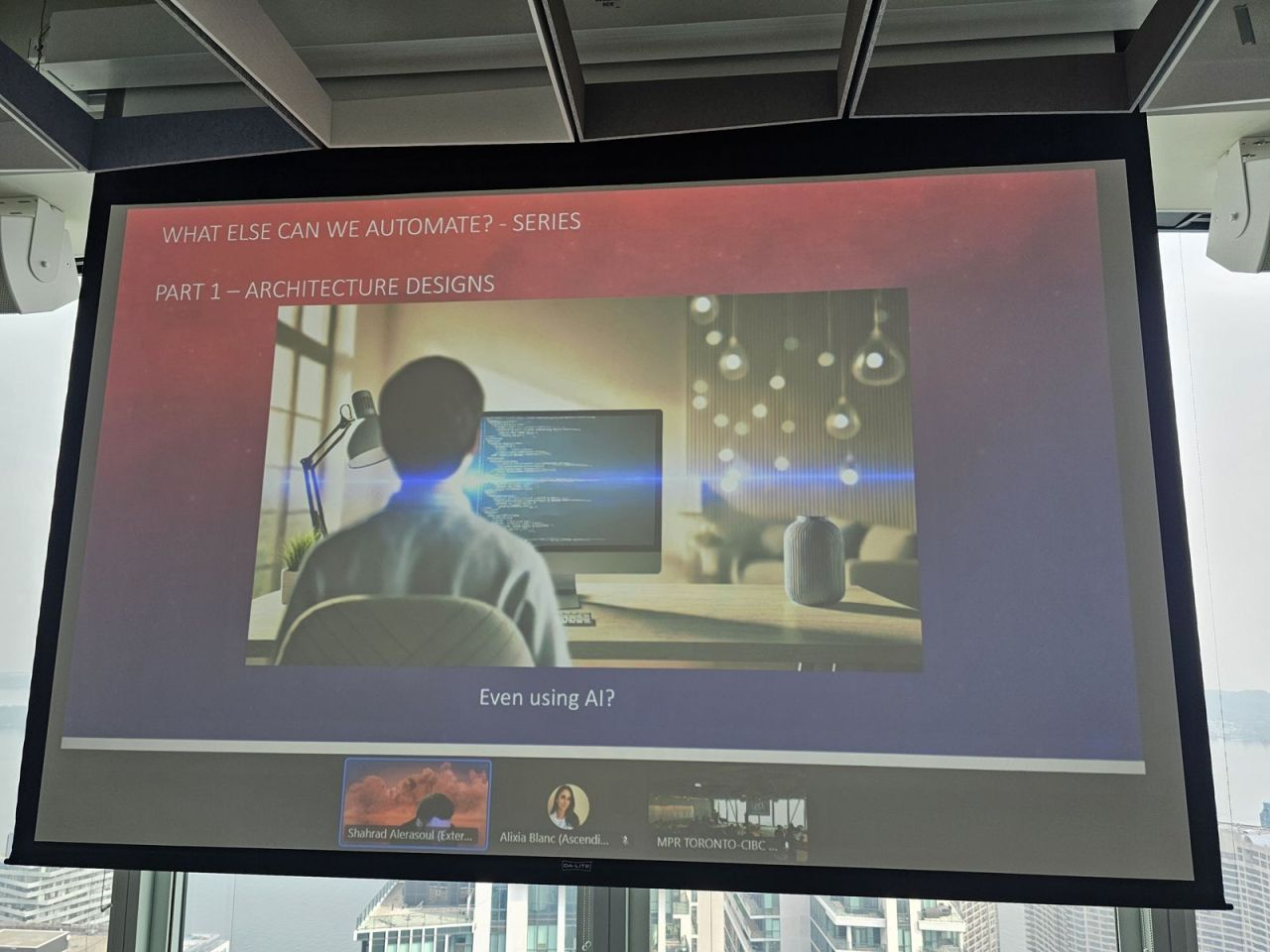
Shahrad Alerasoul: automating architecture designs
Shahrad Alerasoul discussed how automation can accelerate architecture design. My takeaway was to identify repeatable steps while keeping the underlying requirements visible.
For a learning project, I would start by writing down the inputs, dependencies and constraints of a small solution. An automatically produced diagram or design would then need to be checked against those requirements. A useful output should explain the relationships between components and make it easier for another person to review the proposal.
Automation is most helpful when it reduces repetitive effort while leaving a clear record of the decisions that still require engineering judgment.
Cihan Cinar: RAG and Azure AI Search
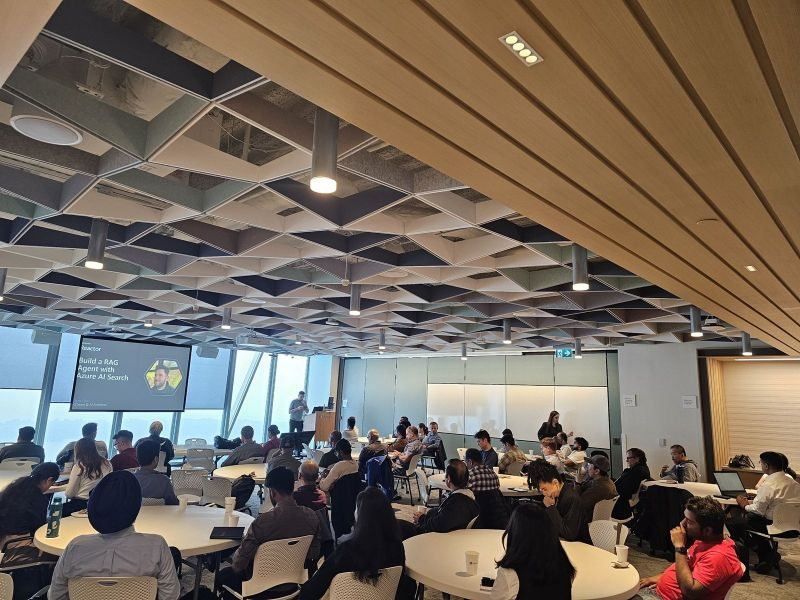
Cihan Cinar explored Retrieval-Augmented Generation and Azure AI Search, showing how relevant enterprise information can provide context for an assistant’s answers.
A practical example I would explore is a reporting assistant that searches approved business definitions before explaining a measure. I would check the retrieved information first, then compare the response against it. This separates two questions: did the assistant find the right evidence, and did it use that evidence accurately?
The session encouraged me to think about outdated documents, missing information and questions that cannot be answered from the available sources. Those cases are important parts of evaluating a useful assistant.
Rajaniesh Kaushikk: multi-agent assistants with Fabric
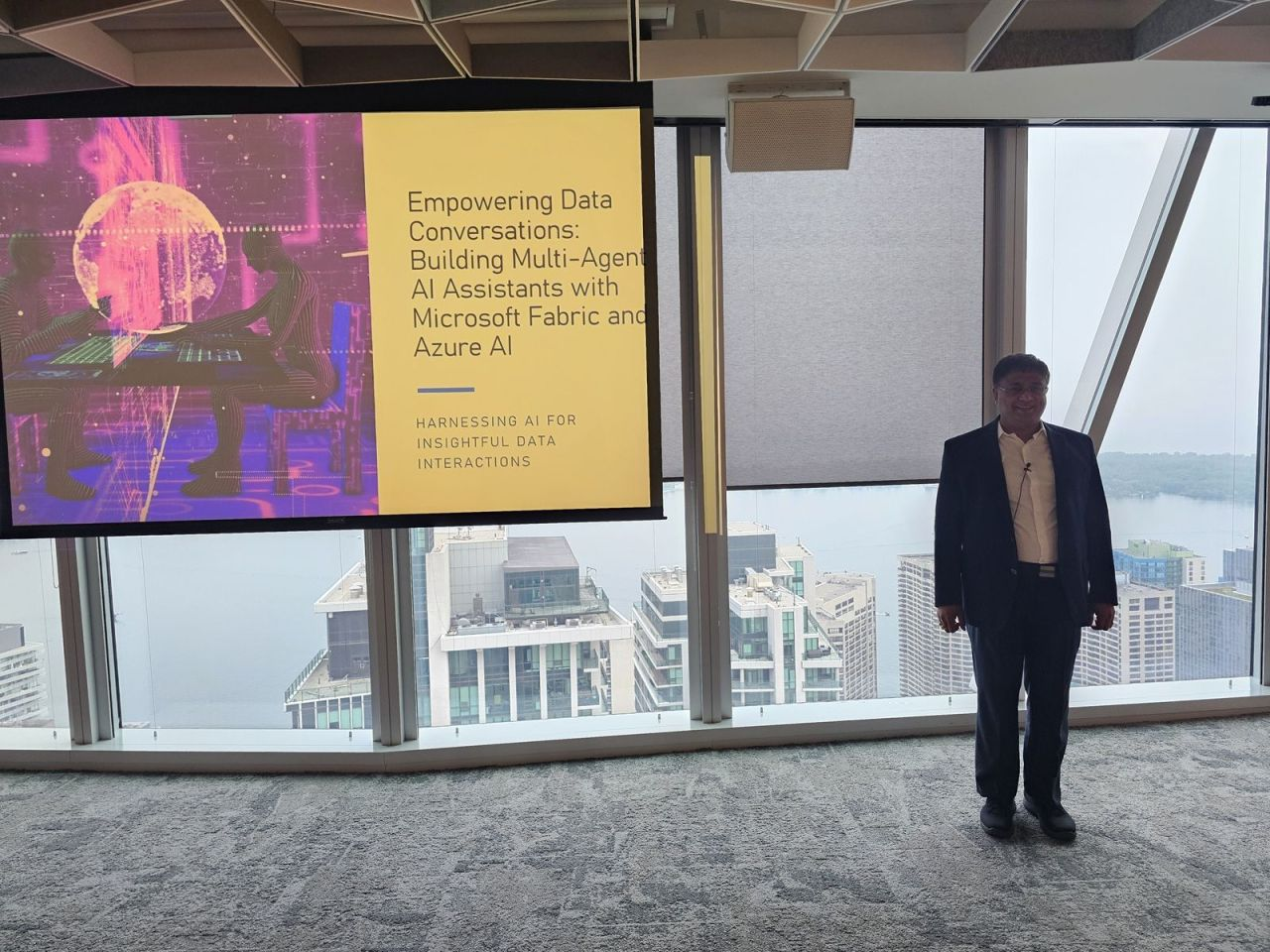
Rajaniesh Kaushikk demonstrated AI assistants combining Microsoft Fabric, Azure OpenAI and Azure AI Agent services with live data integration.
My learning takeaway was to define the responsibilities and handoffs clearly. In an illustrative analytics workflow, one role could retrieve a validated result, another prepare an explanation, and a review step check that the explanation preserves the figures and reporting period. These are possible applications of the theme, not a reconstruction of the demo.
I would also want to know when the data was refreshed and which permissions controlled access. A conversational answer needs the same reliable definitions and access boundaries as the report behind it.
Thank you to the community
Thank you to Microsoft, Alixia Blanc and Ehsan Eskandari, Microsoft MVP and Metro Toronto Azure Community organizer.
Special appreciation to Luca Gobbi, Mandana Goudarzian, Dev J. Shah, Shirin Shakeri, Zaheer Ahmed, Saeed Hosseinzadeh, Bhawya Kalra, Khalid Wasim and Arash Danesh for making the evening possible.
Read my original event post on LinkedIn ↗
Photos from the evening