AI Application Architecture and Azure IoT Operations
Metro Toronto Azure Community · March 20, 2025 · Microsoft Canada, Toronto
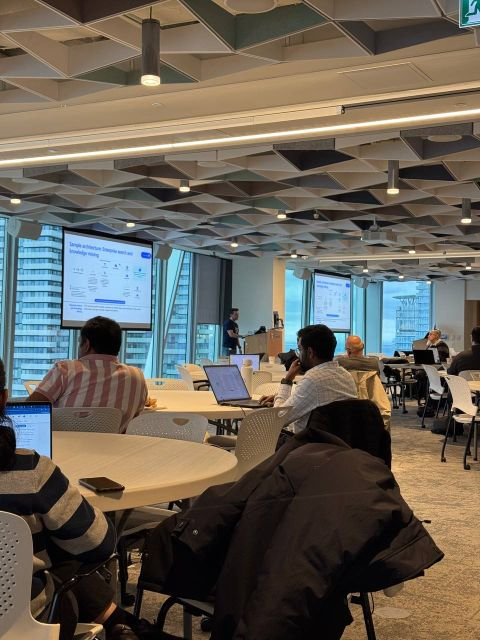
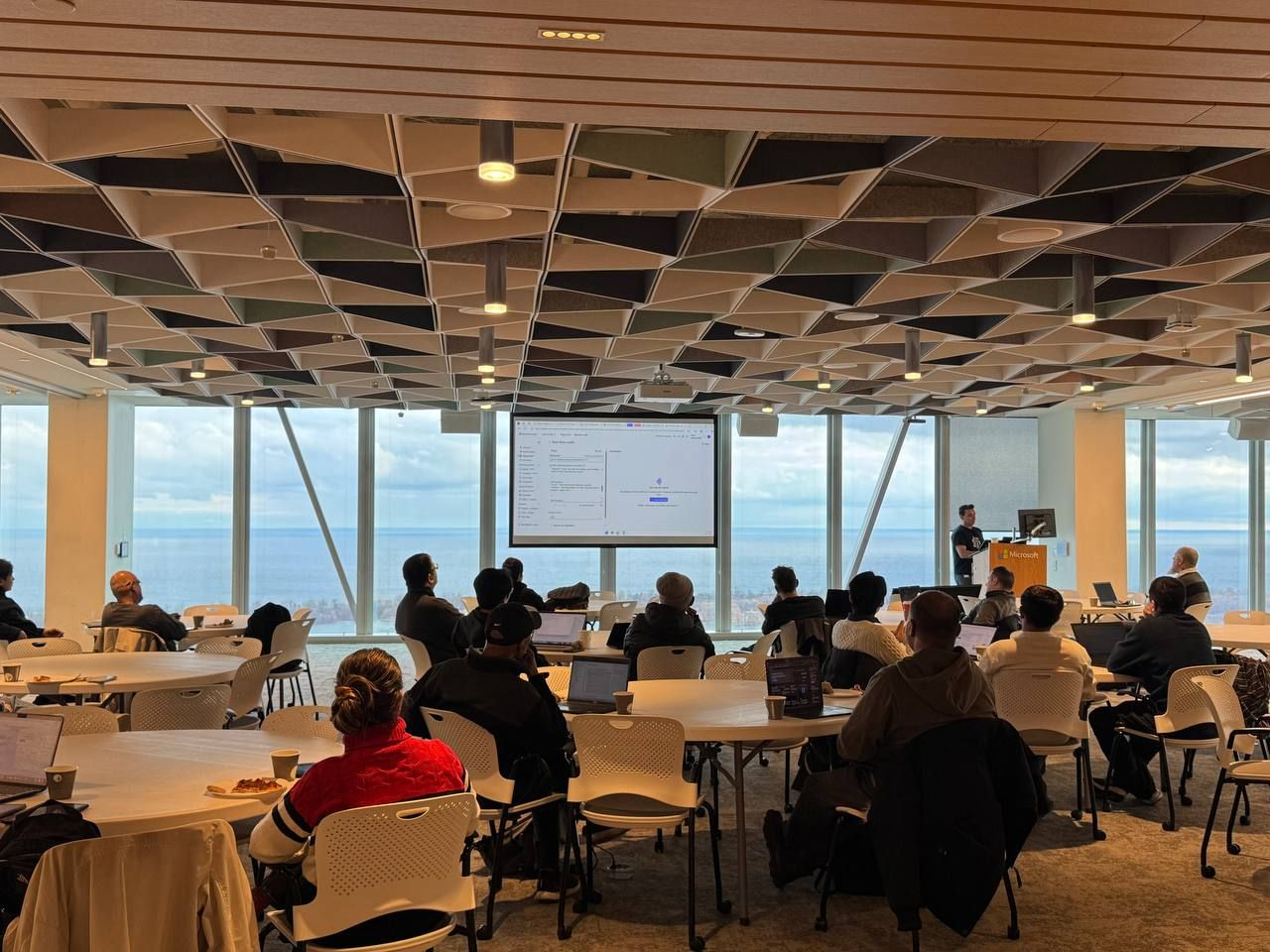
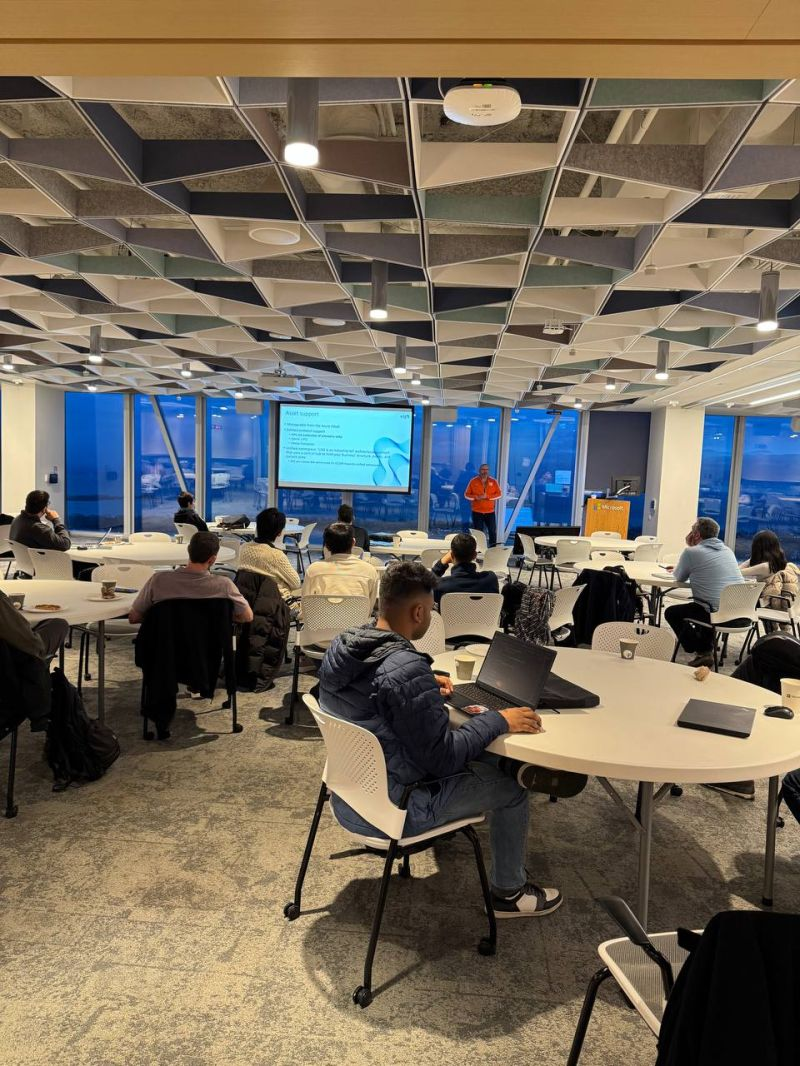
The Metro Toronto Azure Community joined Microsoft Reactor for an evening exploring AI application architecture and Azure IoT Operations. The presentations connected application design with the practical challenges of working with devices and information at the edge.
Bruno Capuano: architecture recipes for AI-powered applications
Bruno Capuano shared practical ideas for designing AI-powered applications through an engaging, interactive session.
The topic encouraged me to think beyond an individual model response and examine the complete application. What information does a request need? Which components provide it? How is the result checked, and what should happen when a dependency fails? Answering those questions makes it easier to build a solution that another person can understand and maintain.
For an analytics learning project, I would begin with a small assistant that explains a known report. I would define the expected inputs and outputs, compare its responses with the source figures and document the cases where it needs to ask for clarification. This is an example of how I would explore the session’s ideas.
Sander van de Velde: Azure IoT Operations
Sander van de Velde, IoT MVP, returned to Toronto to present “Azure IoT Operations: The Ultimate Edge Device Whisperer.” Thank you to SDG Group for helping make his visit possible.
My takeaway was to follow the data from the device to the people who use it. A sensor reading needs context: when it was measured, which device produced it and how to interpret its value. That context becomes especially important when information arrives late or connectivity is interrupted.
For my own learning, I would start with a small stream of timestamped measurements and trace how it reaches an analytical view. I would check whether missing observations are visible and whether readers can distinguish a current value from an older one. These considerations connect edge operations with trustworthy reporting.
Learning through practical examples
Together, the sessions reinforced the value of understanding both application behavior and the information flowing through it. I left with a useful learning approach: start with a manageable scenario, inspect each stage and make failures understandable before adding complexity.
The community behind the evening
Thank you to Alixia Blanc, Microsoft Developer and Microsoft Reactor for supporting the event. Special thanks to Ehsan Eskandari, Microsoft MVP and organizer, and to Arash Danesh, Dev J. Shah and Khalid Wasim for bringing the evening together.
Read my original event post on LinkedIn ↗
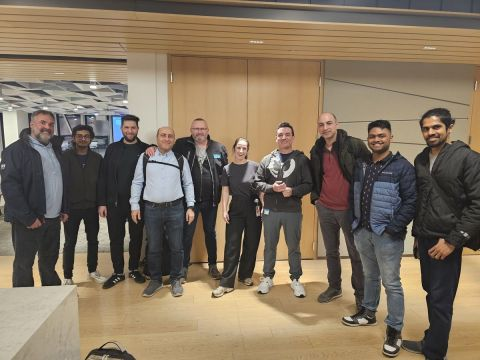
Photos from the evening