Agent Conference Toronto 2026
Metro Toronto Azure Community · March 14, 2026 · One Eleven, Toronto
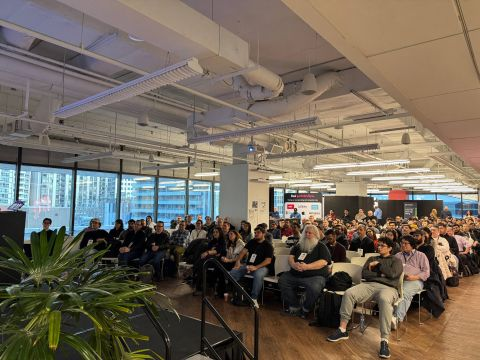
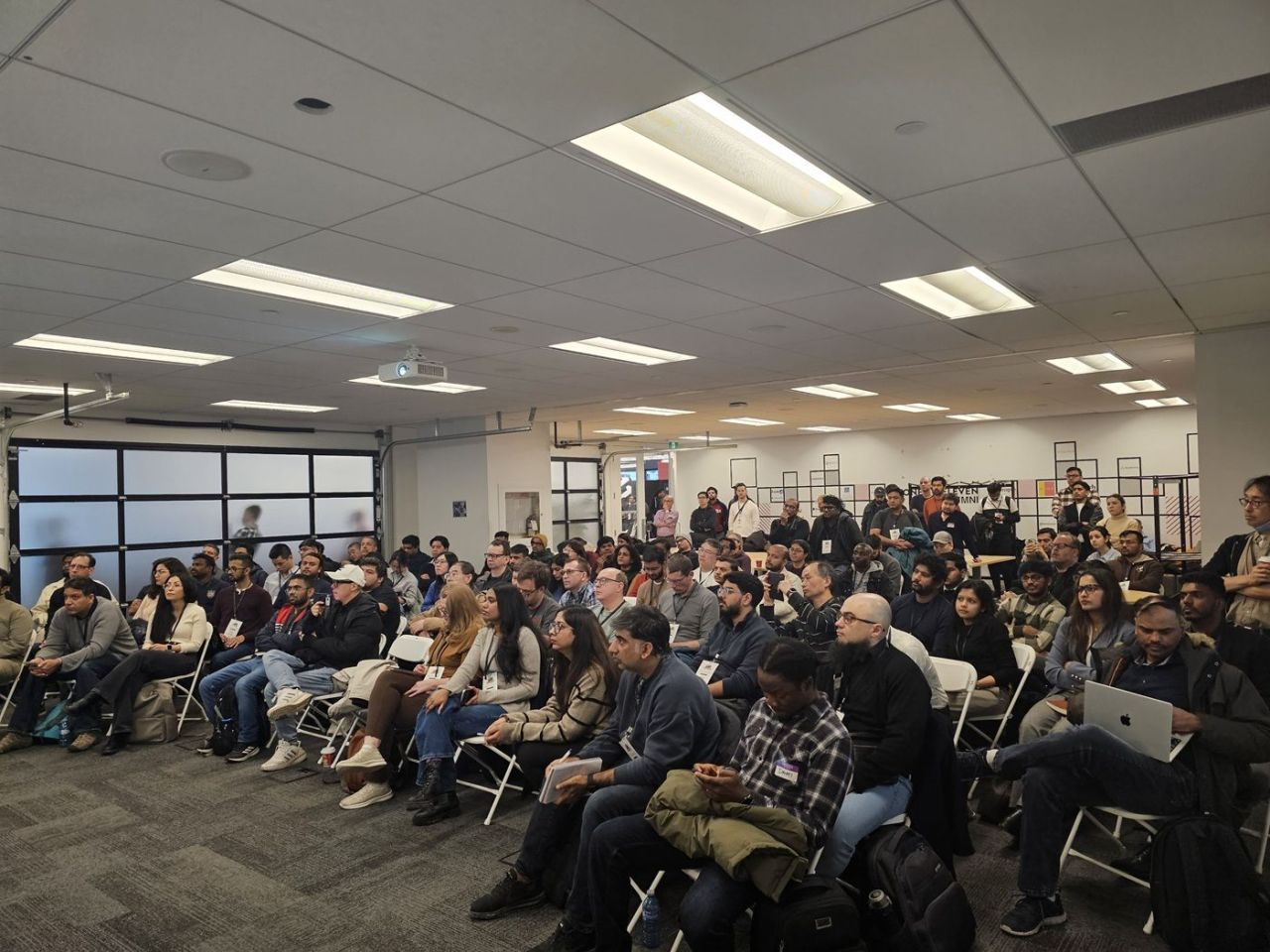
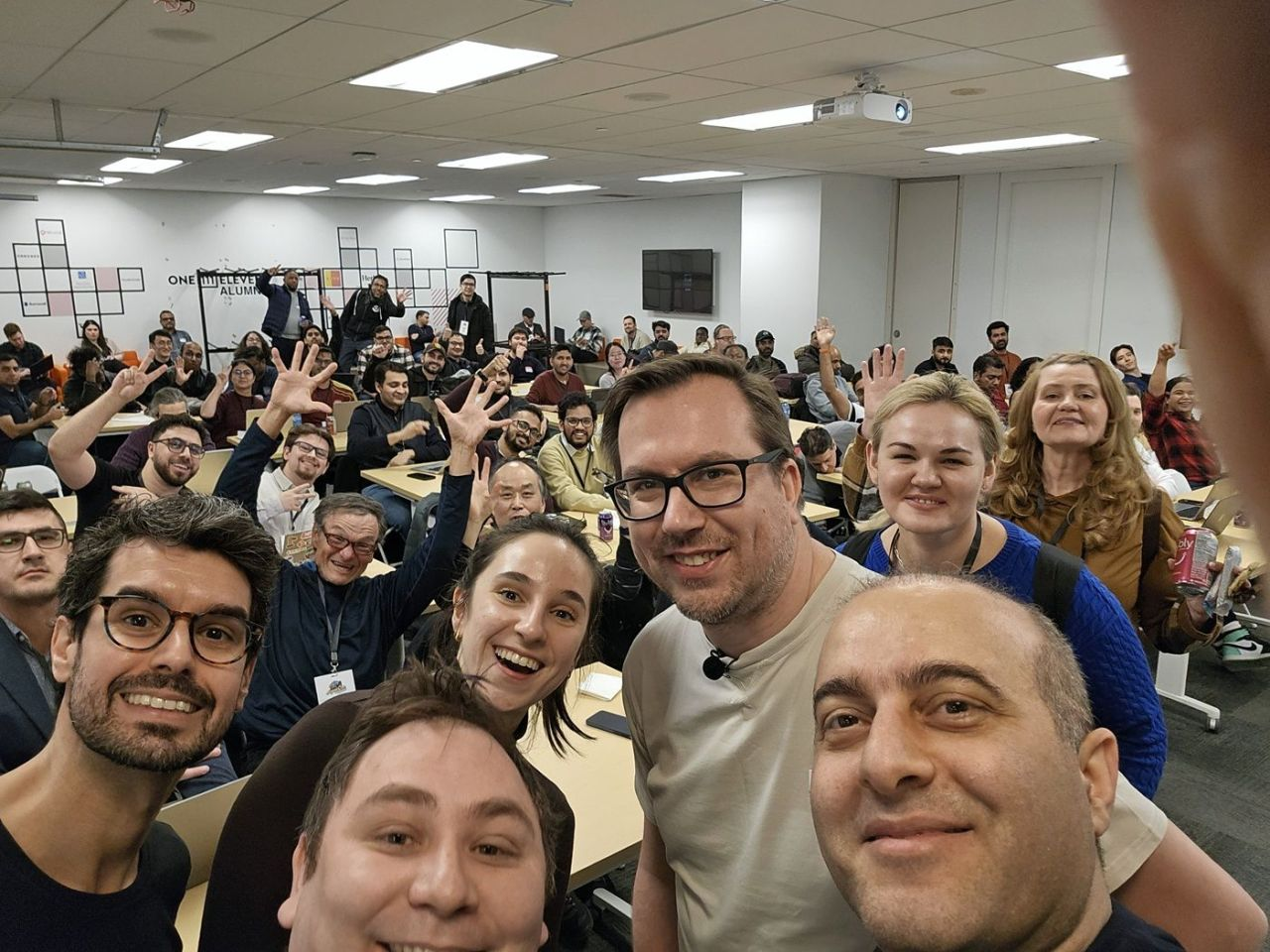
I had the opportunity to support Agent Conference Toronto at One Eleven, where more than 266 attendees came together for a day of practical discussions about AI agents. Organized locally by the Metro Toronto Azure Community as part of the Global AI Community AgentCon series, the event connected foundational ideas with the challenges of building useful applications.
The official conference schedule covered retrieval-augmented generation, reliability, memory, MCP and multi-agent collaboration across talks and workshops. The explanations below expand on those themes for readers exploring the subject; the practical examples are my learning reflections, rather than a transcript of every session.
From language models to useful agents
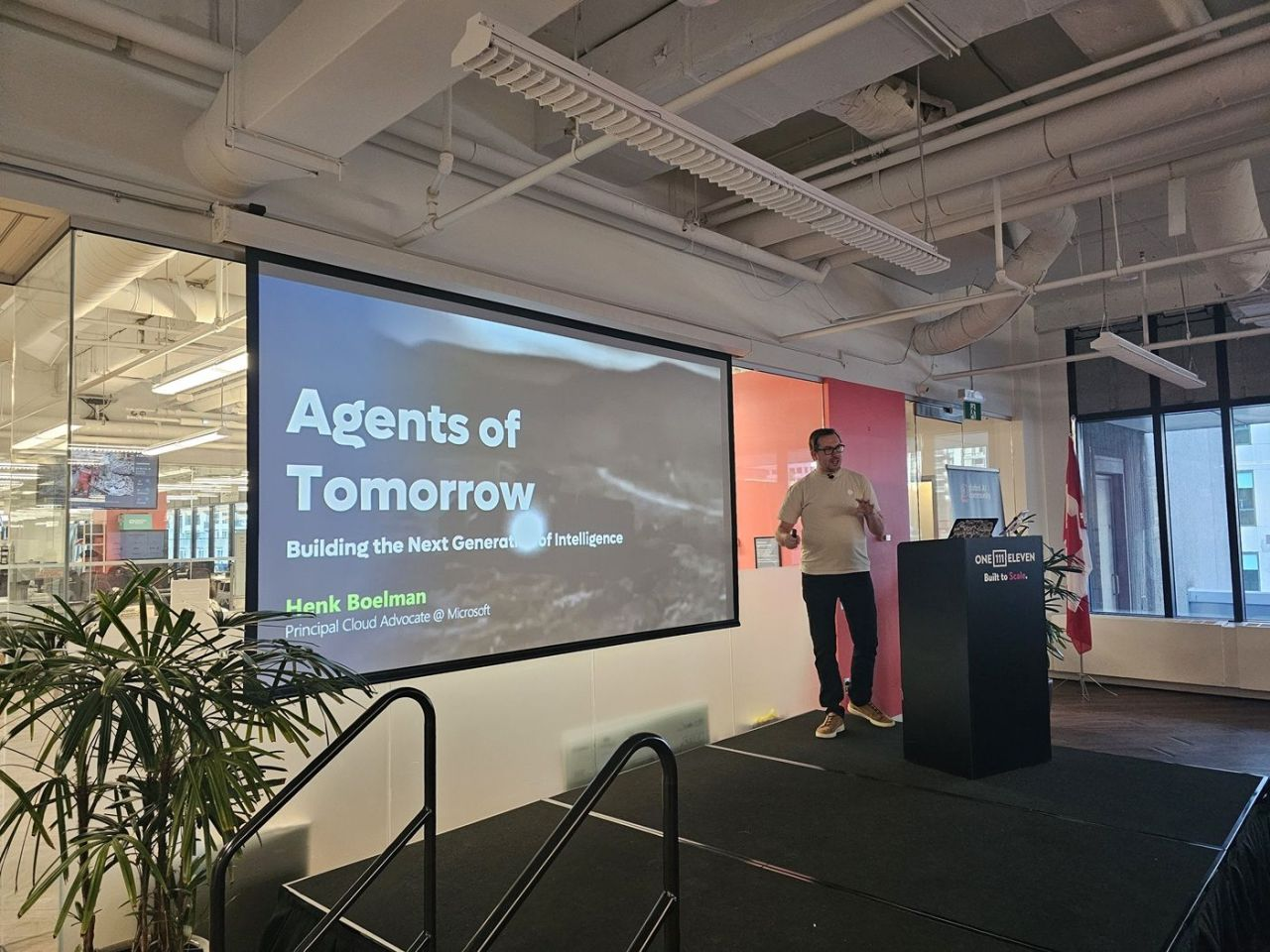
Henk Boelman opened with a keynote about the next generation of AI agents. A useful way to explore this theme is to begin with a specific task and ask what information, tools and decisions it requires. For an analytics assistant, answering a question about a reporting definition is different from changing a dataset or triggering a refresh. I would define those boundaries before deciding how much autonomy to introduce.
RAG foundations and better grounding
The agenda included Shariyar Murtaza on retrieval across structured and unstructured sources, and Dev J. Shah on embeddings and cosine similarity. These topics help explain how an application can find relevant information before asking a model to produce an answer.
In a typical RAG workflow, a search retrieves material that is supplied to the model alongside the user’s question. Preparing that material can involve splitting documents into meaningful chunks, adding useful metadata and indexing them. Microsoft’s RAG design and evaluation guide emphasizes evaluating the retrieval pipeline as well as the final response.
For my own learning, I would use a small collection of reporting definitions and a set of questions with known answers. If the assistant retrieves the wrong definition, a fluent response will still be unhelpful. I would inspect the retrieved passages first, then check whether the answer is supported by them. That makes the experiment easier to diagnose than judging the final wording alone.
Reliability, memory and repeatable evaluation
Ryan Hamilton presented a session on agent reliability through continuous integration experiments. Alexander Chernov’s sessions explored memory, semantic caching and simulated environments for agent engineering.
Those themes suggest a practical starting point: keep a small evaluation set and rerun it when prompts, tools or data change. For an analytics workflow, I would include incomplete requests, unavailable sources and conflicting definitions, alongside straightforward questions. A useful result should show where the system succeeded, where it failed and when it should ask for clarification.
Memory also needs a clear purpose. Microsoft’s agent orchestration guidance discusses persisting task state for work that spans interruptions, while keeping stored information limited to what is necessary. I would distinguish progress needed to resume a task from information retained for future conversations, and decide how either should be updated or removed.
MCP and collaboration between agents
Viktor Gamov’s session explored MCP and data streams, while Henk’s workshop used Microsoft Foundry and MCP for a pizza-ordering agent. Guy Royse covered multi-agent collaboration with LangGraph.js, and Rey Riel introduced the Solace Agent Mesh.
The Model Context Protocol architecture describes a common interface through which AI applications can connect with servers exposing capabilities such as tools and resources. For a learning project, I would begin with a narrowly scoped read-only tool, inspect its results and add actions only when their inputs and expected effects are clear.
Multi-agent designs introduce another question: how should responsibilities and results move between participants? Microsoft’s orchestration guidance recommends testing individual agents and their combined workflow, monitoring handoffs and avoiding unnecessary coordination complexity. In a reporting example, one role might retrieve definitions and another review whether an answer follows them. I would compare that arrangement with a simpler single-agent solution before adding more roles.
The community behind the day
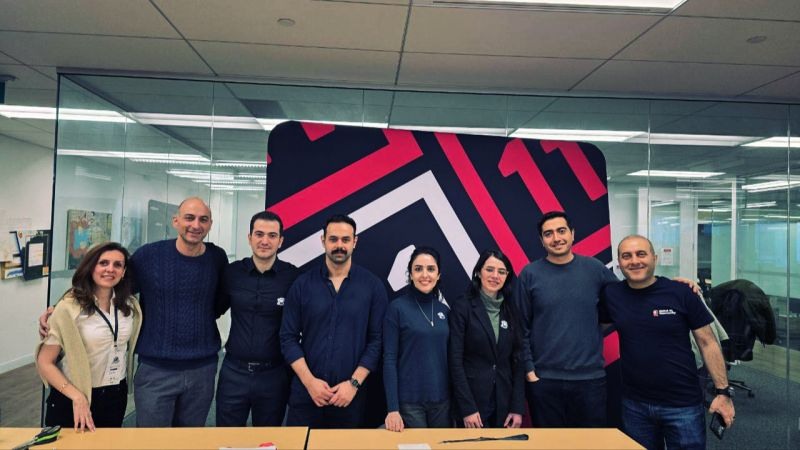
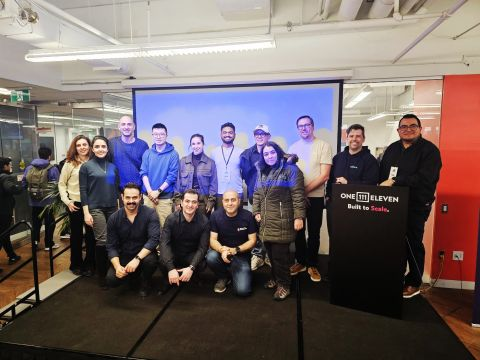
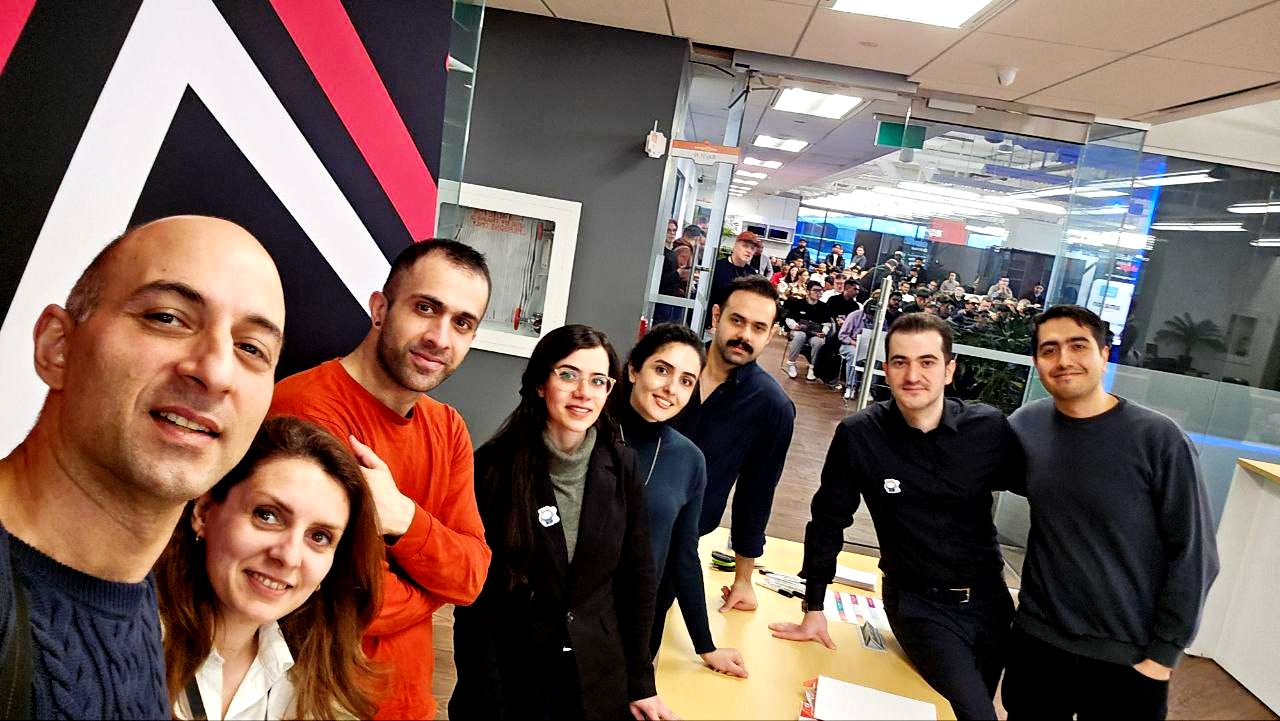
A special thank you to Ehsan Eskandari, Microsoft MVP and organizer of the Metro Toronto Azure Community, and to the organizers and community leaders: Alixia Blanc, Anferny C., Henk Boelman, Anthony Bartolo, Stephen Simon and Alex Drenea.
Thank you as well to the wider support team: Luca Gobbi, Arash Danesh, Dev J. Shah, Bahareh Sheikhi, Bhawya Kalra, Shiva Koochakpour, Shakiba Hashemi, Mandana Goudarzian, Ashkan Moradi, Saeed Hosseinzadeh and Zeinab Vosooghi.
Special appreciation to Microsoft and CircleCI AI Lab, especially Angeline M. and Ryan Hamilton, for their support. It was rewarding to contribute to a day where people could connect new ideas with practical questions and learn from one another.
Read my original event post on LinkedIn ↗
Photos from the day